
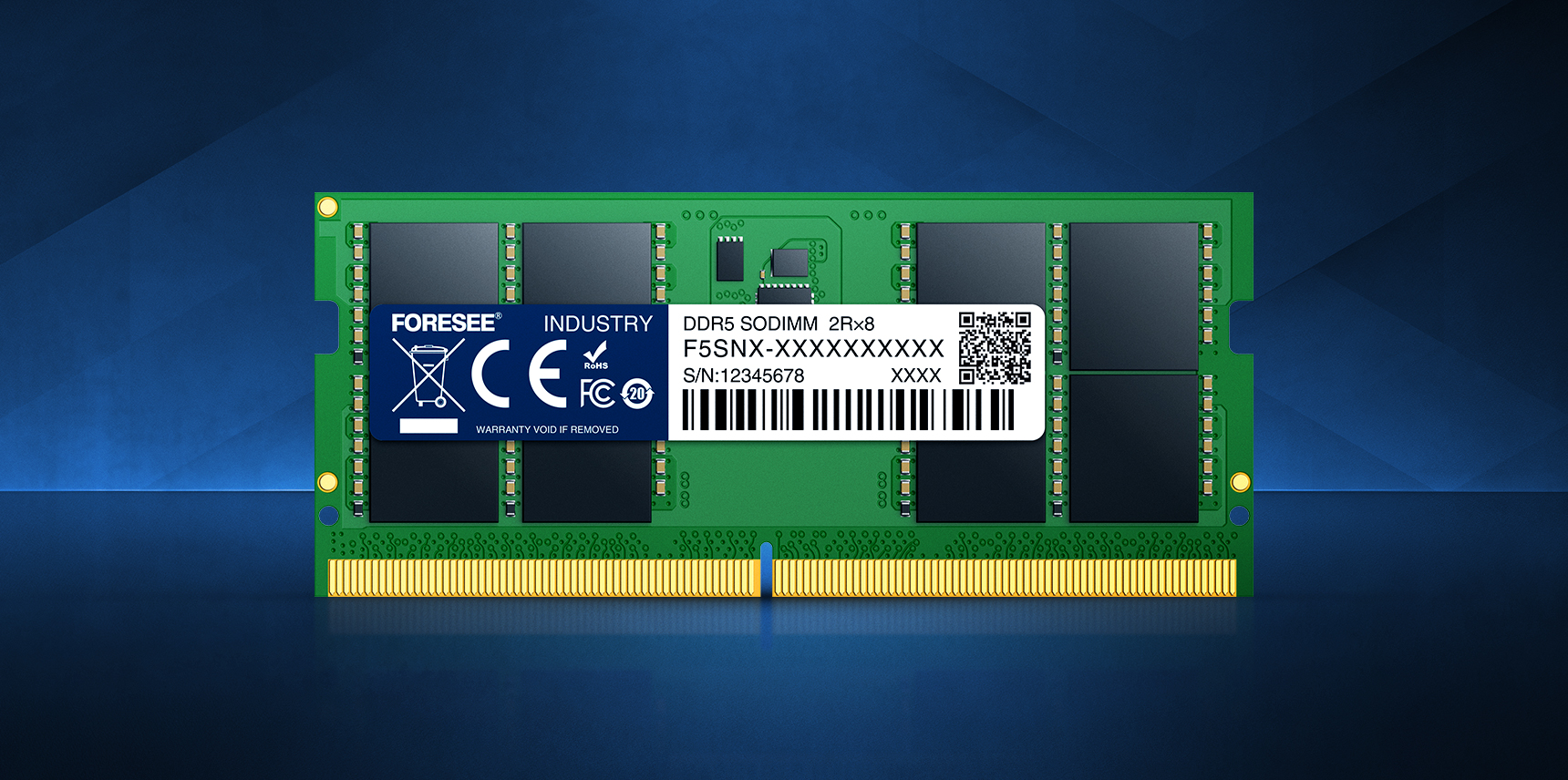
SODIMM (Small Outline Dual In-line Memory Module) is a compact RAM format designed specifically for laptops, mini-PCs, and embedded systems. Unlike full-sized DIMM modules used in desktop computers, SODIMM measures roughly half the size, consumes less power, and features a different pin configuration optimized for portable devices.
Laptops and compact devices require memory modules that balance performance with space constraints and energy efficiency. SODIMM delivers the processing speed necessary for multitasking and demanding applications while maintaining the low power consumption critical for battery life. Modern SODIMM supports high-speed DDR4 and DDR5 technologies, making it capable of handling everything from basic computing tasks to professional workloads like video editing and software development.
This guide explains how SODIMM works, why laptops use it instead of standard DIMM, and how to choose the right SODIMM module for your device. You’ll learn about SODIMM’s advantages in portable computing, its role in embedded systems, and technical specifications to consider when upgrading your laptop or mini-PC memory.
Key Takeaways:
- What Is SODIMM? SODIMM is a compact memory module specifically designed for laptops, mini-PCs, and embedded systems.
- How SODIMM Differs from Standard DIMM Modules: Unlike full-sized DIMM modules found in desktops, SODIMM is smaller, consumes less power, and features a different pin layout.
- Why Laptops Use SODIMM: SODIMM helps maintain laptop portability, reduces heat buildup, and supports energy-efficient operation, making it essential for battery-powered devices that prioritize longevity and performance.
- SODIMM in Mini-PCs and Embedded Systems: Mini-PCs and embedded systems require low-power, high-efficiency memory to support continuous operation in IoT devices, medical equipment, and industrial controllers, making SODIMM the preferred solution.
- Choosing the Right SODIMM for Your Laptop or Mini-PC: Selecting the best SODIMM requires considering memory speed, capacity, and compatibility.
What is SODIMM?
SODIMM is a compact memory module that functions similarly to a standard DIMM (dual in-line memory module) used in desktops. However, it is physically smaller, making it ideal for space-constrained devices.
SODIMM modules store and quickly access data for a processor. However, they are optimized for power efficiency and portability.
Many modern SODIMM modules support high-speed DDR4 and DDR5 memory technologies to help ensure this fast performance for everyday tasks. While they may not match the scalability of desktop memory, SODIMM modules still allow many laptops and compact PCs to upgrade RAM, enhancing performance and multitasking capabilities tenfold.
How SODIMM Is Different than Standard DIMM
SODIMM stands out from standard DIMM modules because of its size, pin configuration, and power efficiency. While both serve the same fundamental purpose of providing RAM for computing devices, their physical specifications and use cases differ significantly.
| Feature | SODIMM | Standard DIMM |
|---|---|---|
| Physical Size | ~67.6mm length | ~133.35mm length (nearly double) |
| Typical Use | Laptops, mini-PCs, embedded systems | Desktop computers, servers, workstations |
| Pin Count (DDR4) | 260 pins | 288 pins |
| Pin Count (DDR5) | 262 pins | 288 pins |
| Power Consumption | Lower (optimized for battery life) | Higher (plugged into wall power) |
| Heat Output | Minimal (designed for compact spaces) | Higher (more cooling capacity available) |
| Latency | Slightly higher | Slightly lower |
| Memory Speed | DDR4: Up to 3200MHz DDR5: Up to 5600MHz+ | DDR4: Up to 3200MHz DDR5: Up to 6400MHz+ |
| Upgradability | Limited by laptop design (some soldered) | Typically user-upgradable |
| Compatibility | Cannot fit in standard DIMM slots | Cannot fit in SODIMM slots |
SODIMM modules are optimized for energy efficiency, helping extend battery life in portable devices by reducing power draw and heat generation. While SODIMM may have slightly higher latency than full-sized DIMMs, modern DDR4 and DDR5 SODIMM versions support high-speed performance that ensures reliable computing for mobile workstations and professional applications.
SODIMM in Laptops and Compact Devices
Laptops require compact, energy-efficient components to maintain their portable, lightweight design. This is exactly where SODIMM shines.
SODIMM’s smaller form allows manufacturers to fit memory into thin, compact laptop designs without sacrificing performance. Unlike desktops, where space and power consumption aren’t major concerns, laptops need components that balance speed, efficiency, and thermal management.
SODIMM also contributes to efficient heat dissipation, which is critical for laptops that operate in tight, enclosed spaces. Using lower power and generating less heat, SODIMM helps ensure that laptops remain lightweight, cool, and energy-efficient.
SODIMM in Mini-PCs and Embedded Systems
Unlike traditional desktops that rely on full-sized DIMMs, mini-PCs need smaller memory modules. These allow for sleek, space-saving designs without sacrificing processing power, making SODIMM the ideal memory solution.
Embedded systems, such as medical equipment, industrial controllers, and IoT devices, depend on reliable, efficient memory that operates smoothly under constant workloads. Lexar offers memory solutions designed for embedded and industrial environments that require consistent, low-power performance over long operating cycles.
Since many of these devices function around the clock, SODIMM’s low energy usage reduces the strain on power sources while maintaining consistent system performance.
This means that SODIMM works around the clock to deliver that compact, energy-efficient performance from your computer to the medical devices that keep you safe.
Advantages of SODIMM Over Standard DIMM Modules
When determining the best DIMM module for your system, it’s important to understand the pros and cons of each option. Below, we’ve listed some of the biggest advantages of SODIMM over standard DIMM modules to help you understand which option will work best for you.
Compact Design
While standard DIMM modules require larger motherboard slots, SODIMM is designed for compact systems with limited internal space. Its compact size allows laptop manufacturers to create sleeker, more portable devices while still offering adequate memory capacity for modern applications.
Energy Efficient
Another huge advantage of SODIMM is its energy efficiency. SODIMM is designed to consume less power, making it a perfect fit for laptops and mobile devices that rely on battery longevity.
SODIMM helps reduce overall energy drain, allowing portable devices to run longer on a single charge. This makes a noticeable difference in ultrabooks and business laptops, where battery performance and longevity are top priorities. Lexar’s mobile memory solutions are specifically engineered to support low-power, high-efficiency performance in these environments.
Lower power consumption and battery savings reduce heat output, which is especially beneficial in thin laptops and fanless mini-PCs. Excessive heat buildup can negatively impact system efficiency and component lifespan, so SODIMM’s ability to operate with minimal thermal output enhances the reliability of compact devices.
By improving energy efficiency and temperature regulation, SODIMM supports smoother, longer-lasting performance in modern computing environments.
Performance in Portable Computing
SODIMM may be smaller than standard DIMM but still delivers fast and efficient memory performance for portable computing applications.
Many modern SODIMM modules support high-speed DDR4 and DDR5 memory to ensure smooth multitasking and responsiveness in laptops, mini-PCs, and industrial systems.
This speed and functionality are essential for professionals who need to run demanding applications on mobile workstations. SODIMM can handle everything from photo editing to video conferencing and even software development.
Because SODIMM is designed for power-constrained environments, it may have slightly higher latency than UDIMM. However, this difference is often negligible in everyday tasks, especially with the latest advancements in high-bandwidth SODIMM technology.
Upgradability
One of the best aspects of SODIMM is its upgradability — enhancing your system’s lifespan exponentially.
Some ultra-thin notebooks and embedded devices may have RAM soldered directly onto the motherboard. However, most consumer and professional-grade laptops come with accessible SODIMM slots that allow users to increase memory capacity as needed.
Expanding RAM with additional SODIMM modules can significantly improve multitasking performance, reduce system slowdowns, and enhance productivity.
For example, a laptop with 4GB of RAM may struggle with multiple applications, but upgrading to 16GB or 32GB of SODIMM memory can provide a smoother, more responsive experience.
For an even greater performance boost, upgrading your SODIMM alongside a high-speed SSD can deliver faster load times and smoother multitasking. Here’s how to install an SSD in your system.
Choosing the Right SODIMM for Laptops or Mini-PCs
When choosing the right SODIMM for laptop or mini-PCs, you need to consider factors like memory speed, capacity, and compatibility.
Upgrading your SODIMM memory can significantly improve multitasking, enhance performance, or extend the lifespan of your system. Whether you need higher-capacity RAM for professional applications or a power-efficient module for a compact PC, choosing a high-quality SODIMM ensures the performance and reliability you’ve been looking for.
Ready to Upgrade Your System?
Explore Lexar Enterprise’s high-performance memory modules designed for laptops, mini-PCs, and embedded systems for the best SODIMM solutions. Upgrade your devices today with cutting-edge SODIMM technology from Lexar Enterprise. If you’d like to dive deeper into how memory impacts performance, visit our knowledge center for expert insights and resources.
Have questions or need help finding the right memory for your system? Get in touch with our team! We are here to help you.
Frequently Asked Questions About SODIMM Memory
What does SODIMM stand for?
SODIMM stands for Small Outline Dual In-line Memory Module. The “small outline” refers to its compact size compared to standard DIMM modules, while “dual in-line” describes the arrangement of pins on both sides of the module that connect to the motherboard. SODIMM is specifically designed for space-constrained devices like laptops, mini-PCs, and embedded systems where full-sized memory modules won’t fit.
What is the difference between SODIMM and regular DIMM?
SODIMM (Small Outline DIMM) is physically smaller than standard DIMM modules and is designed for compact devices like laptops, mini-PCs, and embedded systems. Standard DIMMs are used in desktops and servers, where space and power efficiency are less of a concern.
Can I upgrade the SODIMM in my laptop?
Yes, many laptops come with accessible SODIMM slots that allow you to upgrade your memory. Always check your device’s specs for compatibility, supported capacities, and memory speed.
Is SODIMM compatible with desktop computers?
Generally, no. SODIMM and standard DIMM modules are not interchangeable due to their size and pin layout. Some compact desktop motherboards (like in small form factor PCs) may support SODIMM, but most standard desktops require full-size DIMMs.
Does SODIMM affect battery life?
Yes, in a good way. SODIMM modules are optimized for low power consumption, which helps extend battery life in laptops and other mobile devices by reducing energy drain and heat output.
What type of devices use SODIMM memory?
SODIMM is commonly used in laptops, ultrabooks, mini-PCs, industrial computers, embedded systems (like IoT devices or medical equipment), and compact workstations that require space-saving, energy-efficient performance.
How does SODIMM performance compare to standard DIMM for professional applications?
While SODIMM may have slightly higher latency than full-size DIMMs, modern DDR4 and DDR5 SODIMM modules deliver excellent performance for professional mobile workstations, embedded systems, and compact computing applications. The performance difference is negligible for most business and industrial use cases.