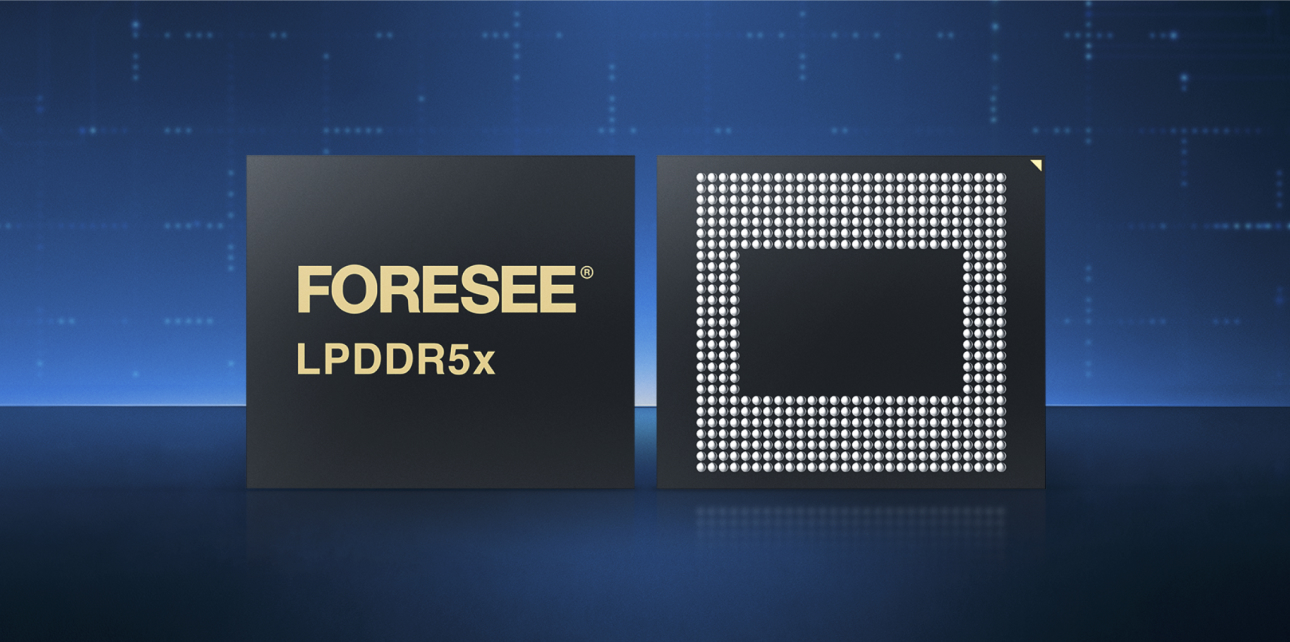

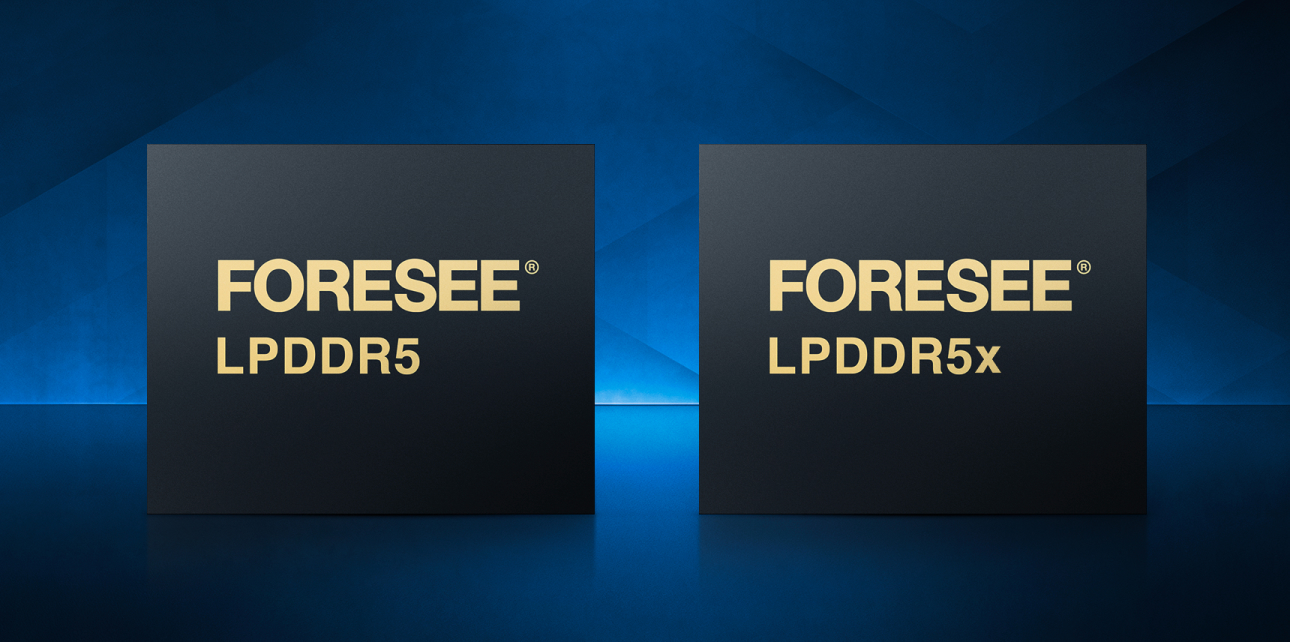
When comparing LPDDR5 and LPDDR5X, the primary distinction lies in their intended use cases.
Standard DDR5 is engineered for traditional desktops and heavy-duty, socket-based enterprise servers where constant, high-wattage power is readily available. In contrast, “LP” stands for Low Power.
LPDDR5 and its successor, LPDDR5X, are designed specifically for environments where power efficiency and thermal constraints are just as critical as raw speed. Historically confined to smartphones and ultra-thin laptops, LPDDR technology is now heavily utilized in edge servers, mobile workstations, and autonomous industrial IoT devices.
As enterprise demands stretched the limits of standard LPDDR5, an optimized “X” version was introduced. The transition from LPDDR5 to LPDDR5X represents a significant leap forward in bandwidth, power management, and reliability.
Technical Breakdown: LPDDR5X vs LPDDR5
1. Speed and Bandwidth Capabilities
The most immediate difference between LPDDR5 and LPDDR5X transfer speeds is the sheer volume of data they can handle per second. Standard LPDDR5 memory operates at highly respectable speeds, generally topping out at 6400MT/s.
However, data-intensive tasks require broader data pipelines. The maximum data rate of LPDDR5X in MT/s reaches an impressive 8533MT/s. This staggering 33% increase in bandwidth is a game-changer. For enterprises running simultaneous real-time data analytics or compiling massive codebases, this speed differential eliminates latency bottlenecks between the CPU and memory.
2. Advanced Energy Efficiency
More speed usually requires more power, but modern engineering has flipped this paradigm. The LPDDR5X energy benefits are remarkable, yielding up to a 20% reduction in power usage despite the boost in performance.
This is largely due to the energy efficiency improvements in LPDDR5X architecture. The new standard utilizes advanced dynamic voltage scaling and is frequently built on smaller, more refined semiconductor nodes (such as 14nm or even 12nm processes). By intelligently managing power states and minimizing the energy required to transmit each bit of data, LPDDR5X allows enterprise hardware to run faster while staying significantly cooler.
3. Signal Integrity and Latency
High speeds are useless if the data is corrupted in transit. To achieve 8533MT/s reliably, engineers integrated major signal integrity enhancements in next-gen LPDDR5X. Through advanced techniques like Decision Feedback Equalization (DFE) and improved Transmission (TX) and Reception (RX) equalization, LPDDR5X minimizes electrical noise and cross-talk, ensuring flawless data delivery.
When comparing latency benchmarks of LPDDR5 vs LPDDR5X, the newer standard frequently demonstrates tighter, more responsive timing under heavy loads. Faster clock speeds combined with enhanced signaling mean data requests are fulfilled fractions of a millisecond quicker—a metric that adds up to massive time savings at the enterprise scale.
A common question among procurement managers planning transitional upgrades is: is LPDDR5X backwards compatible with LPDDR5?
Architecturally, LPDDR5X acts as an extension of the LPDDR5 standard. While they are electrically and protocol-compatible, these chips are soldered directly to the motherboard. Therefore, you cannot physically swap an LPDDR5 module for an LPDDR5X chip in an existing machine, but hardware vendors can easily offer updated tiers of the same device utilizing the newer, backward-compatible controller logic.
Enterprise Implications: Driving Business Value
Understanding the technical specs is only half the battle. How do these upgrades translate to bottom-line business value?
Elevating AI and Edge Computing
AI workloads are notoriously memory-bound. For enterprise AI workloads, LPDDR5X has the ability to feed data to neural processing units (NPUs) rapidly without inducing thermal throttling. Generative AI, local Large Language Models (LLMs), and complex machine learning algorithms require constant, high-speed data fetching. LPDDR5X provides the necessary bandwidth to keep AI accelerators fully utilized.
Similarly, this technology acts as the perfect low power DDR5 RAM for edge computing applications. Edge devices, such as remote industrial sensors, autonomous factory robotics, or smart-city traffic analytics nodes, often operate in environments with strict thermal budgets and no active cooling. The energy efficiency and high thermal tolerance of LPDDR5X keep these remote systems highly performant and stable.
Revolutionizing Mobile Workstations
The modern workforce is decentralized, demanding desktop-level power in highly portable form factors. Examining how LPDDR5X improves mobile workstation performance reveals a direct benefit to end-users. Content creators, software engineers, and financial analysts can manipulate large 3D CAD models, compile massive datasets, or render 8K video on battery power much longer than before. The 33% speed increase combined with a 20% power reduction means mobile workstations run faster, last longer on a single charge, and remain comfortable to the touch.
Transforming the Data Center and Cloud
While standard DDR5 dominates traditional server racks, the push toward high-density micro-servers and specialized cloud environments is changing the status quo. Cloud providers are actively seeking high-performance memory solutions for cloud infrastructure that can mitigate soaring energy costs.
Optimizing server power efficiency with LPDDR5X modules is an emerging trend for specific cloud workloads, such as content delivery networks (CDNs) and lightweight microservices. By generating less heat, servers require less aggressive HVAC cooling. Ultimately, the impact of LPDDR5X on data center total cost of ownership (TCO) is profound. Lower electricity bills for both powering the memory and cooling the facility can save large-scale data centers millions of dollars annually, significantly boosting overall ROI.
The Lexar Enterprise Perspective
Integrating next-generation memory into an enterprise ecosystem requires more than just choosing the right specifications; it requires a trusted manufacturing partner. Lexar and Longsys have been at the forefront of memory innovation, enabling cutting-edge OEM consumer technologies and rigorous commercial applications.
To ensure that their memory solutions meet the uncompromising demands of modern business, the company strictly adheres to Lexar Enterprise memory reliability standards. This means every batch of memory undergoes exhaustive validation processes. From extended thermal cycling and burn-in testing to strenuous vibration and shock resistance trials, Lexar Enterprise LPDDR5X are built to operate smoothly when deployed in harsh edge-computing environments or mission-critical mobile workstations.
Looking ahead, Lexar Enterprise is already paving the way for the future of enterprise mobile memory technology. By closely collaborating with top-tier CPU and SoC manufacturers, Lexar Enterprise is helping to design hybrid memory architectures that push data transfer rates closer to 10,000MT/s while further shrinking the energy footprint. With a commitment to supply chain stability, combined with deep technical expertise, Lexar Enterprise serves as a vital partner for enterprises seeking to modernize their hardware fleets seamlessly.
Actionable Takeaways for Enterprise IT Leaders
If you are tasked with upgrading your organization’s IT infrastructure, here are a few practical tips to leverage this memory transition effectively:
- Audit Your Workloads: Before issuing RFPs for new hardware, audit your current software demands. If your teams rely heavily on local AI inference, massive data sets, or complex rendering, mandate LPDDR5X in your new mobile workstation and laptop purchases.
- Factor in TCO, Not Just Upfront Cost: When deploying edge servers or IoT hubs, standard LPDDR5 might seem slightly cheaper upfront. However, calculating the TCO over a 3-to-5-year lifecycle will likely show that the energy savings and reduced cooling requirements of LPDDR5X offer a better long-term financial return.
- Demand Reliability: High speeds generate heat and electrical stress. Ensure your hardware vendors are using memory from reputable manufacturers that enforce strict quality control, similar to Lexar’s enterprise-grade validation.
- Plan for the Edge: If your business is expanding into edge computing, prioritize hardware that pairs modern, low-power ARM or x86 processors with LPDDR5X to ensure peak performance in thermally constrained environments.
Conclusion
The shift from older memory standards to the cutting edge is a critical inflection point for enterprise hardware. In the head-to-head evaluation of LPDDR5 vs LPDDR5X, the newer “X” standard clearly emerges as the superior choice for forward-thinking organizations.
By delivering a massive leap to 8533MT/s, alongside a 20% reduction in power consumption and vastly improved signal integrity, LPDDR5X is uniquely equipped to handle the demands of the modern business landscape. Whether you are outfitting a team with ultra-fast mobile workstations, deploying robust edge computing networks, or attempting to lower the TCO of your cloud infrastructure, adopting LPDDR5X is a proven strategy for success.
Supported by the rigorous quality standards and visionary leadership of industry stalwarts like Lexar Enterprise, the future of enterprise memory is smarter, cooler, and more efficient. To learn what Lexar Enterprise can do for you, contact us anytime.