
Mission-critical systems require memory architectures with built-in redundancy, radiation immunity, and self-monitoring capabilities that detect potential failures months before they occur – capabilities that standard commercial memory simply cannot provide.
The most catastrophic system failures often stem from seemingly minor memory errors that cascade through interconnected systems. A single uncorrected bit error in a flight control computer can disable autopilot functions, and memory corruption in industrial safety systems can prevent emergency shutdown procedures from executing correctly.
The fundamental challenge lies in the reliability gap between commercial memory products and the zero-failure requirements of mission-critical systems. Standard memory architectures lack the advanced error correction, environmental hardening, and predictive health monitoring capabilities necessary to support continuous operation in demanding applications.
Here’s what happens when memory systems fail in critical environments:
- Aerospace flight control systems lose critical navigation data during temperature cycling, creating safety hazards and mission failures
- Defense communication networks experience data corruption during electromagnetic interference, compromising operational security
- Industrial automation controllers suffer memory errors during power fluctuations, triggering emergency shutdowns and production losses
- Medical monitoring equipment provides incorrect readings when memory degrades, potentially affecting patient safety
The cost of unplanned downtime in critical systems is estimated at 11 percent of turnover in Fortune Global 500 companies, with aerospace and defense applications facing even higher costs due to mission-critical requirements and safety implications.
Advanced Error Correction: The Foundation of Memory Reliability
High-reliability memory solutions implement sophisticated error correction architectures that detect and correct multiple types of memory errors while maintaining system performance and availability. Lexar Enterprise has engineered its memory products to incorporate multiple layers of error detection and correction that operate continuously to maintain data integrity.
ECC Technologies for Mission-Critical Applications
Error correction code (ECC) represents the primary defense against memory errors in critical systems. Lexar Enterprise’s high-reliability memory solutions implement advanced ECC algorithms that provide comprehensive error detection and correction capabilities:
- Single-Bit Error Correction (SEC) – Automatically detects and corrects single-bit errors that occur during normal operation without system intervention
- Double-Bit Error Detection (SECDED) – Identifies double-bit errors that cannot be corrected, enabling system-level error handling and recovery procedures
- Advanced ECC with Multi-Bit Correction – Corrects multiple-bit errors using sophisticated algorithms like Low-Density Parity-Check (LDPC) codes
- ChipKill™ Technology – Provides complete protection against entire memory chip failures through redundant data distribution
We’ve implemented LDPC ECC in our high-performance storage solutions, representing a significant advancement in error-correction capability. Initially developed for communication systems, LDPC codes offer superior error-correction performance compared to traditional BCH codes, enabling reliable operation even as memory cell densities increase and error rates rise.
Radiation-Hardened Memory for Extreme Environments
Aerospace and defense applications require reliable memory solutions despite radiation exposure that can cause single-event effects (SEE) and total ionizing dose (TID) degradation. Lexar Enterprise radiation-hardened memory products incorporate specialized design and process hardening techniques:
- RADSTOP™ Technology – Proprietary design techniques that provide radiation hardness through circuit-level protection rather than shielding
- Single Event Upset (SEU) Protection – Advanced error correction specifically designed to handle radiation-induced bit flips
- Total Ionizing Dose (TID) Resistance – Process hardening that maintains device performance throughout mission lifetimes despite cumulative radiation exposure
- QML-V Certification – Meeting the highest quality and reliability standards for space and defense applications
Radiation-hardened SRAM memory feature embedded ECC with access times down to 10 nanoseconds while providing complete protection against radiation-induced errors. These devices extend computing capabilities in space applications while offering size, weight, and power advantages for satellite and aerospace systems.
SMART Monitoring: Proactive Health Assessment for Reliability
Self-monitoring, analysis, and reporting technology (SMART) provides continuous visibility into memory system health, enabling proactive maintenance and failure prediction before critical errors occur. We’ve integrated comprehensive SMART monitoring capabilities into our high-reliability memory solutions to support predictive maintenance strategies.
Critical SMART Parameters for Memory Health
SMART monitoring systems track multiple parameters that indicate memory system health and predict potential failures:
- ECC Correction Rates – Monitoring both soft and hard error correction activities to identify degrading memory cells
- Temperature Monitoring – Tracking operating temperatures to prevent thermal-induced errors and component degradation
- Wear Leveling Statistics – Analyzing write/erase cycles to predict endurance limits and plan replacement schedules
- Bad Block Management – Tracking defective memory blocks and spare block utilization to maintain system capacity
- Data Retention Monitoring – Measuring charge retention characteristics to predict data integrity issues
Our SMART implementation provides granular visibility into hardware ECC recovered events, which indicate successful error correction activities. While these corrections demonstrate that error protection is working correctly, trending analysis helps identify memory regions experiencing increased error rates that may require attention.
Advanced Health Monitoring and Alerting
We’ve developed sophisticated health monitoring systems that analyze SMART data to provide actionable insights for maintenance planning:
- Threshold-Based Alerting – Configurable alarms that trigger when critical parameters exceed predefined limits
- Trend Analysis – Machine learning algorithms that identify degradation patterns before critical failures occur
- Predictive Failure Modeling – Statistical models that estimate remaining useful life based on current health indicators
- Maintenance Scheduling Integration – Automated recommendations for preventive maintenance based on predicted failure timelines
Predictive Maintenance: Preventing Failures Before They Occur
Predictive maintenance represents a paradigm shift from reactive repair to proactive prevention, using real-time monitoring data and advanced analytics to predict equipment failures before they impact system availability. We’ve integrated predictive maintenance capabilities throughout our high-reliability memory portfolio to support continuous operation requirements.
Machine Learning-Based Failure Prediction
Our predictive maintenance systems utilize machine learning algorithms that analyze patterns in memory performance data to identify early indicators of potential failures:
- Anomaly Detection – Identifying unusual patterns in error correction rates, temperature fluctuations, or performance metrics
- Degradation Modeling – Tracking gradual changes in memory characteristics that indicate approaching end-of-life conditions
- Failure Mode Classification – Distinguishing between different types of memory failures to enable targeted maintenance actions
- Remaining Useful Life Estimation – Calculating expected operational lifetime based on current degradation rates and historical data
Our predictive algorithms can detect subtle changes in memory behavior that precede critical failures by weeks or months, enabling planned maintenance during scheduled downtime rather than emergency repairs during critical operations.
Integration with Industrial IoT and Edge Computing
We’ve designed our high-reliability memory solutions to integrate seamlessly with Industrial IoT platforms and edge computing architectures that support predictive maintenance workflows:
- Real-Time Data Streaming – Continuous transmission of health monitoring data to centralized analytics platforms
- Edge Processing Capabilities – Local analysis of critical parameters to enable immediate response to emergency conditions
- Cloud Integration – Secure connectivity to enterprise maintenance management systems for comprehensive fleet monitoring
- API Compatibility – Standard interfaces that support integration with existing maintenance management and ERP systems
Application-Specific Reliability Requirements
Different critical applications demand specialized approaches to memory reliability based on their unique operational environments, safety requirements, and availability targets. Lexar Enterprise has developed application-specific memory solutions that address the distinct challenges faced by automation, aerospace, and defense systems.
Industrial Automation: 24/7 Operational Reliability
Industrial automation systems require memory solutions that maintain continuous operation through extreme temperature cycling, electromagnetic interference, and chemical exposure while supporting real-time control requirements:
- Extended Temperature Operation – Reliable performance from -40°C to +85°C for outdoor and harsh environment installations
- EMI/RFI Immunity – Shielded packages and filtered interfaces that maintain signal integrity in electrically noisy environments
- Chemical Resistance – Conformal coatings and sealed packages that protect against corrosive industrial atmospheres
- Vibration and Shock Tolerance – Mechanical hardening that maintains reliable operation despite heavy machinery vibration
Lexar Enterprise industrial automation memory solutions incorporate advanced wear-leveling algorithms that distribute write operations evenly across memory cells, extending operational life beyond typical NAND specifications while maintaining consistent performance throughout the system lifecycle.
Aerospace Applications: Safety-Critical Performance
Aerospace memory systems must operate reliably across altitude changes, temperature extremes, and radiation exposure while meeting stringent safety certifications and providing fail-safe operation:
- Altitude Performance – Certified operation up to 80,000 feet and beyond while maintaining full functionality
- Radiation Tolerance – Protection against cosmic radiation, solar events, and atmospheric radiation exposure
- Safety Certification – Compliance with DO-178C, DO-254, and other aerospace safety standards
- Fail-Safe Architecture – Graceful degradation modes that maintain critical functionality even during component failures
Lexar Enterprise has qualified its aerospace memory solutions to operate continuously for mission durations exceeding 25 years while maintaining data integrity and system availability throughout the operational lifetime.
Defense Systems: Secure and Robust Operation
Defense applications require memory solutions that combine high reliability with security features, operating in hostile environments while protecting sensitive information:
- Security Features – Hardware-based encryption, secure erase capabilities, and tamper detection mechanisms
- Environmental Hardening – MIL-STD-810 compliance for shock, vibration, temperature, humidity, and salt fog resistance
- Supply Chain Security – Controlled manufacturing processes and component traceability for trusted system deployment
- Anti-Tamper Protection – Physical and logical protection mechanisms that prevent unauthorized access to stored data
Lexar Enterprise High-Reliability Memory Portfolio
Lexar Enterprise provides comprehensive high-reliability memory solutions engineered specifically for mission-critical applications across automation, aerospace, and defense sectors. Our product portfolio combines advanced ECC technologies, comprehensive SMART monitoring, and predictive maintenance capabilities to deliver the reliability performance critical systems demand.
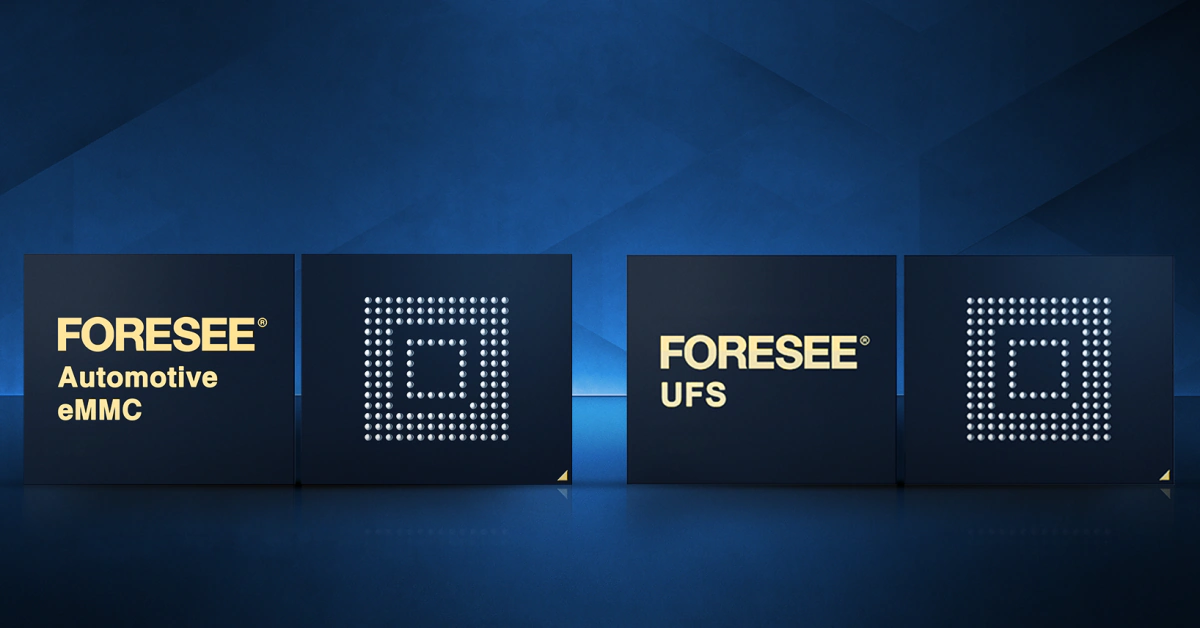
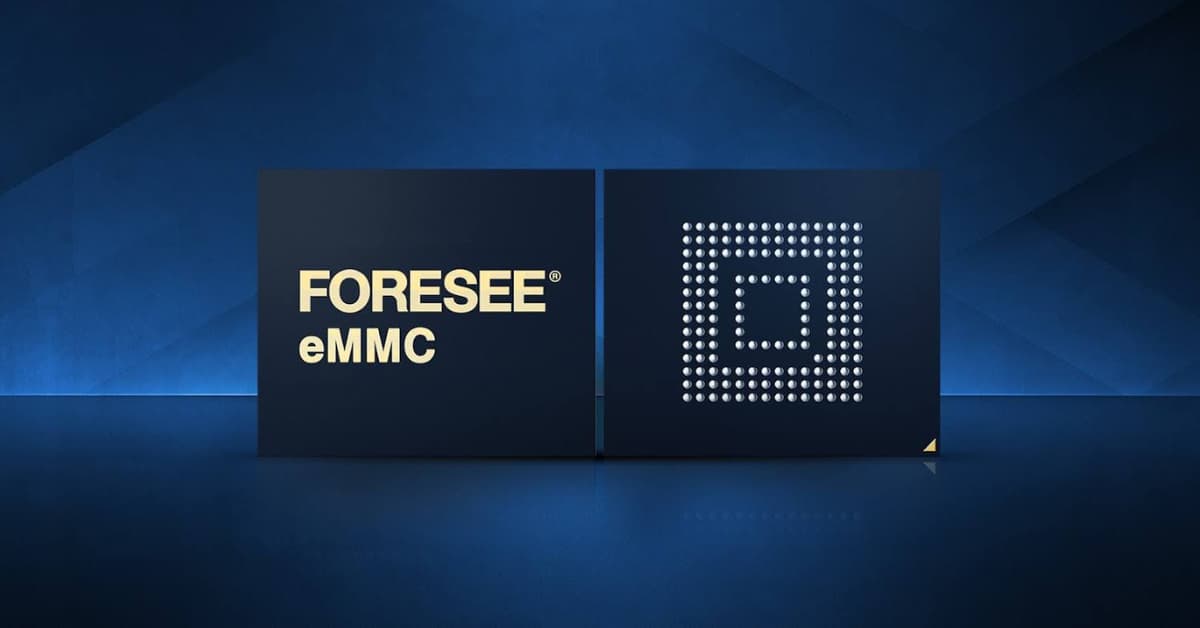
Industrial-Grade eMMC with Advanced ECC
Lexar Enterprise industrial eMMC solutions incorporate sophisticated error correction algorithms and health monitoring capabilities designed for continuous operation in demanding environments:
- Multi-Layer ECC Protection – LDPC error correction with additional parity protection for maximum data integrity
- Extended Temperature Range – Qualified operation from -40°C to +105°C for automotive and industrial applications
- Enhanced Wear Leveling – Advanced algorithms that maximize endurance and maintain consistent performance
- Comprehensive SMART Monitoring – Real-time health assessment with predictive failure indicators
Lexar Enterprise industrial eMMC products have mean time between failures (MTBF) ratings exceeding 2 million hours. They also provide the compact form factors and low power consumption required for embedded critical systems.
High-Reliability SSDs for Critical Computing
Lexar Enterprise SSD solutions for critical applications feature advanced controller architectures with end-to-end data path protection and comprehensive failure prevention mechanisms:
- End-to-End ECC – Complete data path protection from host interface through NAND storage with multiple correction stages
- Power Loss Protection – Capacitor-backed data protection that ensures write completion during unexpected power interruption
- Advanced Bad Block Management – Sophisticated algorithms that maintain system capacity and performance despite NAND degradation
- Predictive Health Analytics – Machine learning-based failure prediction with maintenance scheduling integration
Lexar Enterprise high-reliability SSDs support continuous operation in critical applications while providing the performance and capacity required for modern data-intensive workloads.
Memory Modules for Mission-Critical Systems
Our memory module portfolio includes specialized solutions for critical computing applications that demand maximum reliability and comprehensive error protection:
- ECC and ChipKill™ Protection – Advanced error correction that maintains operation despite complete memory chip failures
- Radiation-Hardened Options – Space-qualified modules for satellite and aerospace applications
- Extended Lifecycle Support – Long-term availability commitments that support critical system lifecycles
- Custom Form Factors – Application-specific designs that optimize integration and reliability
Quality Assurance for Mission-Critical Applications
Lexar Enterprise memory products undergo comprehensive testing and qualification programs that exceed standard commercial requirements to ensure high reliability and dependable operation in critical applications. Lexar Enterprise maintains specialized test facilities and procedures designed specifically for mission-critical memory qualification.
Environmental Stress Testing
We subject our high-reliability memory products to accelerated stress testing that simulates years of operation in harsh environments:
- Temperature Cycling – Thousands of thermal cycles across operating temperature ranges to verify thermal reliability
- Accelerated Life Testing – Extended operation at elevated temperatures and voltages to predict long-term reliability
- Radiation Testing – Exposure to various radiation sources to qualify performance in space and nuclear environments
- Vibration and Shock Testing – Mechanical stress testing to MIL-STD-810 and aerospace specifications
Reliability Modeling and Prediction
We employ advanced statistical models and accelerated testing methodologies to predict memory reliability performance across mission lifetimes:
- Weibull Analysis – Statistical modeling of failure distributions to predict reliability over operational lifetimes
- Arrhenius Modeling – Temperature acceleration models that predict thermal aging effects
- Physics-of-Failure Analysis – Detailed understanding of failure mechanisms to improve design robustness
- Field Data Correlation – Continuous monitoring of deployed systems to validate reliability predictions
Implementation Best Practices for High-Reliability Memory
Successful deployment of high-reliability memory solutions requires careful consideration of system-level design, operational procedures, and maintenance strategies. Lexar Enterprise recommends following proven implementation practices developed through extensive experience with critical system deployments:
System-Level Reliability Design
- Redundancy Architecture – Implementing multiple memory paths and failover mechanisms to eliminate single points of failure
- Error Recovery Procedures – Developing comprehensive error handling and recovery protocols for different failure modes
- Thermal Management – Designing adequate cooling and thermal monitoring to maintain optimal operating temperatures
- Power System Protection – Providing clean, stable power with backup systems to prevent power-related memory errors
Operational Monitoring and Maintenance
- Continuous Health Monitoring – Implementing real-time SMART data collection and analysis systems
- Preventive Maintenance Scheduling – Establishing maintenance intervals based on predictive analytics and reliability models
- Spare Parts Management – Maintaining adequate spare memory inventory based on predicted failure rates
- Training and Procedures – Ensuring maintenance personnel understand high-reliability memory characteristics and handling requirements
Lifecycle Management and Technology Evolution
- Technology Roadmap Planning – Anticipating memory technology evolution and planning migration strategies
- Obsolescence Management – Establishing long-term supply agreements and alternative sourcing strategies
- Performance Monitoring – Tracking system performance metrics to identify optimization opportunities
- Continuous Improvement – Incorporating lessons learned and technology advances into system upgrades
The Future of High-Reliability Memory
Lexar Enterprise is developing next-generation high-reliability memory technologies that address emerging requirements for artificial intelligence, autonomous systems, and advanced manufacturing applications. As critical systems become more complex and data-intensive, memory reliability requirements continue to evolve.
Our future development priorities include:
- AI-Enhanced Predictive Maintenance – Machine learning algorithms that provide more accurate failure prediction and optimal maintenance scheduling
- Quantum-Safe Security – Cryptographic protection mechanisms that maintain security against future quantum computing threats
- Autonomous Self-Healing – Memory systems that automatically adapt to changing conditions and repair degraded components
- Ultra-Low Latency ECC – Advanced error correction that provides maximum protection with minimal performance impact
Your mission-critical systems depend on memory solutions that deliver unwavering reliability today, providing a foundation for tomorrow’s advanced applications. Lexar Enterprise is committed to supporting that requirement with high-reliability memory technologies that exceed the most demanding operational requirements.
Partner with Proven Memory Reliability
Every moment of system downtime in critical applications represents risks that extend far beyond financial losses.
Conduct a comprehensive assessment of your critical system memory requirements to identify reliability gaps and implementation opportunities. Evaluate whether your current memory solutions provide the ECC capabilities, environmental performance, and predictive monitoring features your applications demand.
Your mission success depends on the memory reliability foundation you implement today. Lexar Enterprise is here to provide high-reliability memory solutions that support not just current critical system requirements, but the advanced capabilities and extended operational lifetimes your future missions will demand.
Contact our critical systems engineering team to discover how our comprehensive portfolio of high-reliability memory technologies can ensure your systems achieve the 24/7 uptime that lives and missions depend on.