

The automotive industry is accelerating into a new era of innovation, driven by advances in autonomous driving, connected ecosystems, and electric vehicle (EV) technology. At the heart of these innovations is data—vast quantities of it. Modern vehicles rely on the ability to process, store, and manage this data in real-time, enabling everything from navigation to life-saving safety systems.
Enter automotive solid state drives (SSDs): compact, durable, and high-performance storage solutions designed to meet the rigorous demands of modern vehicles. Unlike traditional storage systems, SSDs offer faster speeds, enhanced reliability, and greater energy efficiency, making them indispensable in a data-driven automotive landscape.
The Role of SSDs in Automotive Technology
Automotive SSDs are more than just storage devices—they are the backbone of modern vehicle technology. These drive power essential systems across various applications, ensuring seamless functionality in today’s connected and increasingly autonomous vehicles.
Connected Vehicles
Connected vehicles form part of an intricate ecosystem where cars communicate with each other, infrastructure, and the cloud—often referred to as vehicle-to-everything (V2X) communication. A V2X ecosystem relies on high-speed data storage and processing to deliver real-time navigation, telematics, and over-the-air (OTA) software updates. Automotive SSDs handle the immense data workloads generated by these applications, ensuring low latency and reliable performance for an uninterrupted driving experience.
Autonomous Driving Systems
Self-driving cars rely on vast arrays of sensors, including LiDAR, radar, and high-definition cameras, to navigate and make decisions. These sensors generate terabytes of data daily, which must be stored and processed precisely. SSDsprovide the high throughput and low latency required for real-time sensor fusion and artificial intelligence (AI) computations, making them critical components in pursuing fully autonomous vehicles.
Electric Vehicles (EVs)
The rise of EVs introduces unique challenges, particularly in managing energy efficiency. Battery management systems (BMS), crucial for monitoring and optimizing battery performance, depend on reliable storage solutions to log and process data. Automotive SSDs are designed to consume less power, ensuring energy resources are conserved without compromising performance.
Infotainment Systems
Today’s drivers expect vehicles to provide seamless infotainment experiences, from streaming multimedia to using real-time navigation apps. Automotive SSDs support these features with their ability to quickly read and write large amounts of data, ensuring fast boot times and uninterrupted access to entertainment and navigation tools.
Key Features of Automotive SSDs
Automotive environments are among the most demanding for technology, with extreme conditions including fluctuating temperatures and high vibrations. To meet these challenges, automotive SSDs are engineered with specialized features that ensure durability, reliability, and performance.
High Reliability
Automotive SSDs are built to handle constant data writing and rewriting cycles without degradation. Features like power loss protection (PLP)prevent data corruption during unexpected shutdowns, ensuring critical systems remain operational.
Wide Temperature Tolerance
Unlike consumer-grade SSDs, automotive SSDs are designed to operate in extreme conditions, from -40°C to +85°C. This capability ensures performance in diverse environments, from freezing winters to scorching summers.
Shock and Vibration Resistance
Vehicles experience continuous motion, making robust shock and vibration resistance essential for onboard hardware. Automotive SSDs incorporate ruggedized designs that withstand the rigors of daily driving, whether on smooth highways or rough off-road terrain.
Low Latency and High IOPS
Speed is non-negotiable for applications like autonomous driving and real-time diagnostics. Automotive SSDs provide high input/output operations per second (IOPS) and ultra-low latency, ensuring data is processed instantly, even in critical situations.
Energy Efficiency
Every watt of power matters in electric vehicles. Automotive SSDs are optimized for low power consumption, ensuring minimal impact on battery life while maintaining peak performance.
Data Security
Cybersecurity is a growing concern in connected vehicles. Automotive SSDs integrate encryption and advanced data protection measures to safeguard sensitive information, ensuring privacy and security for drivers and passengers.
Embedded Technology in Automotive SSDs
Automotive SSDs incorporate cutting-edge embedded technologies to address the unique demands of modern vehicles. These technologies enable reliable and efficient performance, from advanced flash memory types to optimized interface protocols.
Flash Memory Types
Automotive SSDs leverage a variety of NAND flash technologies, including single-level cell (SLC), multi-level cell (MLC), triple-level cell (TLC) , and quad-level cell (QLC). While SLC offers the highest reliability and endurance, TLC and QLC provide higher capacities at lower costs. The choice of memory type depends on the application, balancing performance and cost-efficiency.
Interface Protocols
The interface protocol is crucial in determining an SSD’s speed and compatibility. PCIe-based automotive SSDs, particularly those using NVMe technology, deliver superior performance for demanding applications like autonomous driving. SATA-based SSDs, while slower, remain suitable for less data-intensive systems.
Error Correction and Wear Leveling
Automotive SSDs integrate advanced error correction algorithms to maintain data integrity over time. Wear leveling ensures even data distribution across the SSD, preventing premature wear and prolonging its lifespan—a critical feature in vehicles where hardware must endure years of use.
Application-Specific Design Considerations
Automotive SSDs’ versatility allows them to support a wide range of applications, each with specific design requirements.
Real-Time Data Logging
Event recorders and dashcams depend on SSDs for continuous data logging, capturing critical information during accidents or unusual events. SSDs’ reliability and speed ensure accurate data retention in these systems.
Vehicle Diagnostics
Onboard diagnostic systems and telematics control units store and analyze engine performance, emissions, and overall vehicle health data. Automotive SSDs provide the high reliability required for these long-term monitoring systems.
Edge Computing in Vehicles
Modern vehicles increasingly rely on edge computing to process data locally, reducing latency and dependence on cloud connectivity. SSDs enable this capability, offering the storage and performance needed for immediate decision-making.
OTA Updates
Over-the-air updates are a cornerstone of connected vehicles, allowing manufacturers to roll out new features and security patches remotely. Automotive SSDs ensure these updates are stored and applied seamlessly, keeping vehicles up to date without the need for service center visits.
Industry Trends and Innovations
The rapid evolution of the automotive industry has spurred significant advancements in SSD technology.
Capacity Scaling
As vehicles generate and process ever-increasing volumes of data, the demand for higher-capacity SSDs continues to grow. Manufacturers are developing drives with terabyte-scale capacities to support the needs of autonomous and connected vehicles.
AI-Optimized SSDs
Artificial intelligence (AI) is central to autonomous driving and advanced driver-assistance systems (ADAS). SSDs optimized for AI workloads ensure the efficient storage and retrieval of data needed for machine learning algorithms.
Integration with IoT
Automotive SSDs are becoming integral to the broader IoT ecosystem, connecting vehicles to smart infrastructure and devices. This integration enables more intelligent traffic management, predictive maintenance, and enhanced vehicle-to-infrastructure communication.
Future Interfaces
Emerging standards like PCIe Gen 5 and higher are set to redefine storage performance, offering even lower latency and higher bandwidth for automotive applications.
Lexar’s Role in the Automotive SSD Industry
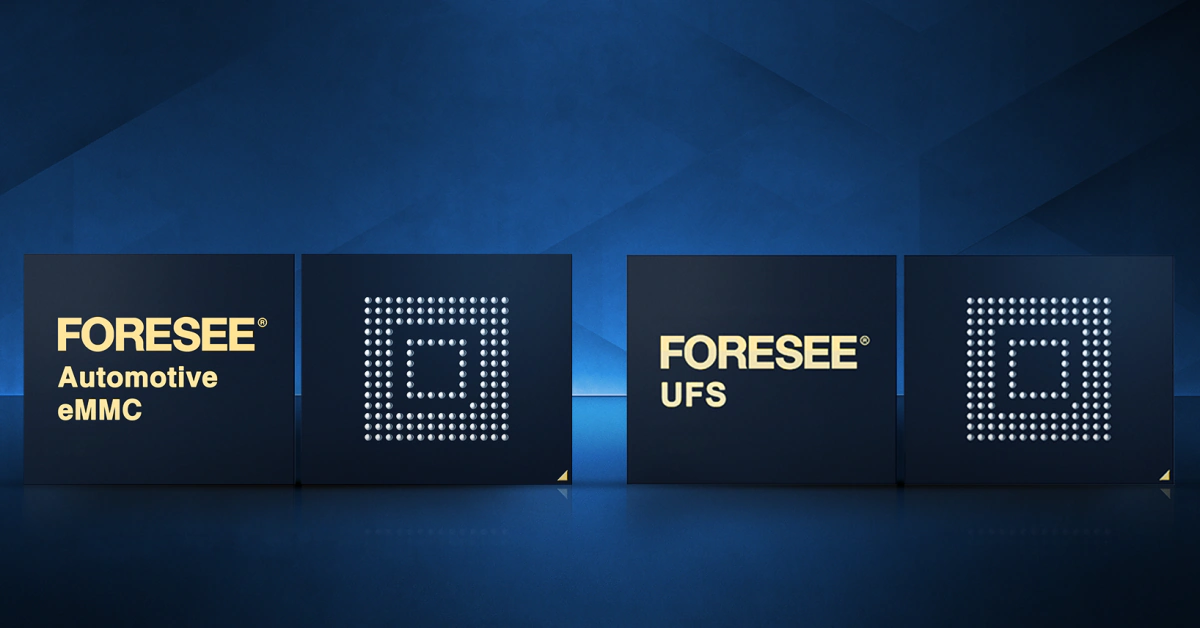
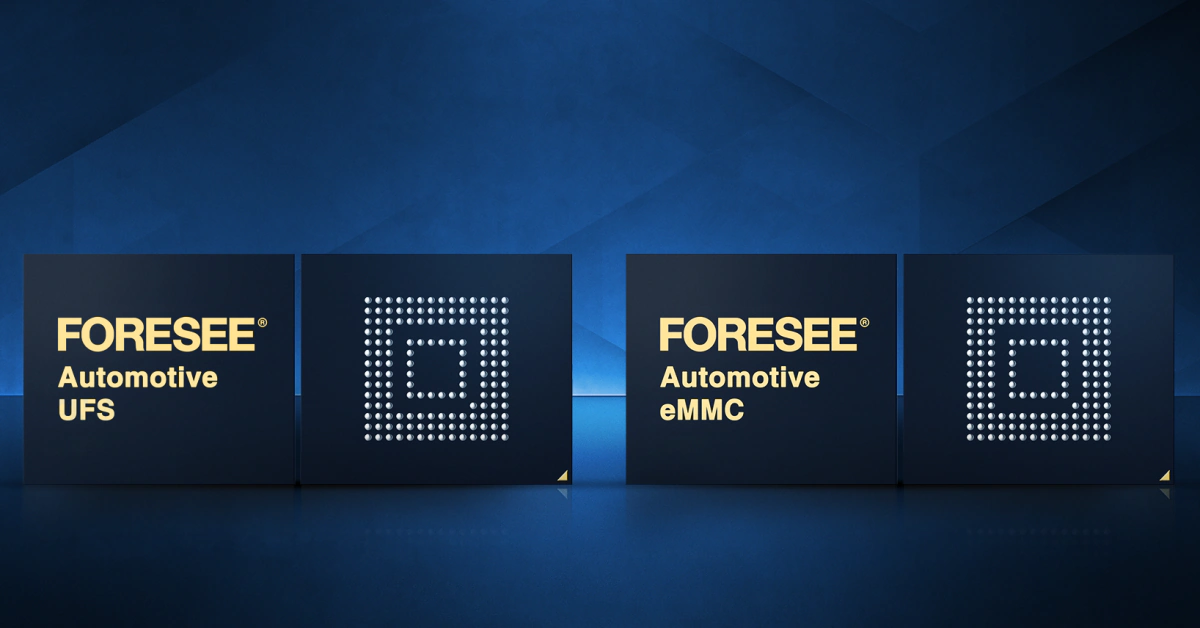
As a leader in storage solutions, Lexar is at the forefront of innovation in automotive SSD technology. Through its FORESEE Embedded Solutions, Lexar delivers tailored products that meet the stringent demands of the automotive industry.
Embedded Storage Expertise
Lexar offers diverse embedded storage solutions, including eMMC, UFS, and LPDDR, designed for high reliability and performance in automotive applications.
Advanced SSD Solutions
Lexar’s solid-state drives feature rugged designs, wide temperature ranges, and compliance with automotive standards. Renowned automotive brands trust these products for their quality and dependability.
Commitment to Innovation
With a focus on research and development, Lexar continues to push the boundaries of what’s possible in automotive storage. Its long-standing industry partnerships and expertise make it a trusted partner in building the vehicles of tomorrow.
Ensuring Longevity: The Durability of Automotive SSDs
Automotive SSDs are designed to meet the rigorous demands of vehicle environments, where durability is critical to ensure longevity and reliability. In addition to their robust physical design, these drives incorporate advanced technologies to withstand years of use in harsh conditions.
Wear Management
Automotive SSDs use sophisticated wear-leveling algorithms to evenly distribute data across memory cells, preventing hotspots that lead to premature failure. This technology is crucial for autonomous driving and diagnostics systems, where SSDs experience continuous read/write cycles.
Power Loss Protection
Unplanned power loss can corrupt critical data, especially in safety-critical systems. Automotive SSDs include PLP features that ensure data integrity even during sudden shutdowns, providing additional reliability for key vehicle operations.
Extended Lifespan
High-endurance NAND technologies, such as SLC or industrial-grade MLC, allow automotive SSDs to operate effectively for extended periods. By balancing performance and endurance, these drives deliver long-term reliability for systems central to vehicle functionality.
Automotive Standards and Certifications
Automotive SSDs must meet stringent industry standards and certifications to ensure performance and safety. These benchmarks validate their ability to operate in the demanding conditions of modern vehicles.
AEC-Q100 Compliance
The Automotive Electronics Council (AEC) standard AEC-Q100 sets the benchmark for electronic components in vehicles. To meet these standards, automotive SSDs are tested rigorously for temperature tolerance, vibration resistance, and lifecycle performance.
ISO 26262 Functional Safety
For autonomous and safety-critical systems, SSDs must comply with ISO 26262, the functional safety standard for automotive electronics. This certification ensures that SSDs reduce risks in advanced driver-assistance systems (ADAS) and autonomous technologies.
IATF 16949 Certification
IATF 16949 focuses on quality management systems for automotive production and relevant services. SSD manufacturers that meet this certification demonstrate their commitment to delivering reliable, high-quality products.
These standards ensure that automotive SSDs are optimized for safety, reliability, and compatibility with the increasingly complex systems in modern vehicles.
Optimizing Automotive SSDs for Sustainability
As the automotive industry pivots toward sustainability, storage solutions must align with these goals. Automotive SSDs play a critical role in supporting eco-friendly initiatives without sacrificing performance.
Energy Efficiency for EVs
In electric vehicles, efficient energy use is paramount. Automotive SSDs are designed to consume minimal power, ensuring onboard systems operate without significantly draining the battery. This efficiency directly supports the push for longer driving distances and more sustainable electric transportation.
Eco-Friendly Manufacturing
SSD manufacturers are adopting greener production processes, minimizing their products’ environmental footprint. By leveraging materials with lower environmental impact and optimizing supply chain operations, manufacturers contribute to a more sustainable ecosystem for automotive technology.
Recycling and Lifecycle Management
The durability and extended lifespan of automotive SSDs reduce electronic waste, aligning with global efforts to minimize environmental impact. Additionally, advancements in recycling technologies are paving the way for responsible disposal and reuse of SSD components at the end of their lifecycle.
Driving Innovation with Customizable SSD Solutions
In the world of automotive SSDs, one size does not fit all. Each vehicle system has unique requirements, and customizable solutions are essential to meeting the diverse needs of modern automotive technology.
Scalable Capacities
From lightweight infotainment systems to data-heavy autonomous driving systems, automotive SSDs are available in capacities that range from a few gigabytes to several terabytes. This scalability allows manufacturers to choose solutions tailored to their specific use cases.
Modular Design
Some automotive SSDs offer modular designs, making integrating storage solutions into different vehicle architectures easier. The flexibility of a modular SSD design streamlines the manufacturing process and ensures compatibility across a range of systems.
Firmware Optimization
Custom firmware can be developed to enhance specific functionalities, such as faster boot times for infotainment systems or heightened durability for autonomous driving applications. This level of customization ensures that SSDs deliver peak performance for their intended use.
By offering tailored solutions, automotive SSD manufacturers empower automakers to innovate and meet the evolving demands of drivers and regulatory standards alike.
Driving Into the Future with Automotive SSDs
Automotive SSDs are paving the way for the future of transportation, enabling the seamless integration of cutting-edge technologies in vehicles. From supporting autonomous driving to enhancing infotainment and diagnostics, these drives are revolutionizing how vehicles operate and interact with their environments.
Lexar stands at the forefront of this revolution, delivering reliable and innovative storage solutions that empower automotive manufacturers to push boundaries. As vehicles become smarter, faster, and more connected, automotive SSDs will remain the cornerstone of this evolution—driving us toward a more intelligent and efficient future.
Explore how Lexar’s automotive SSD solutions can transform your vehicle systems and accelerate innovation.